
The complete guide
Choosing a Wall Mounted Key Safe for Everyday Access
A fixed place for keys, without the guesswork
Spare keys can be awkward to manage. One person leaves early, another arrives late, and a visitor needs access while nobody is home. Hiding a key outside may seem simple, but it gives you little control over who can find it.
A wall mounted key safe creates a dedicated collection point. Instead of arranging every handover in person, you can plan access around a combination box. It still needs careful placement, sensible code handling and a clear routine for returning keys.
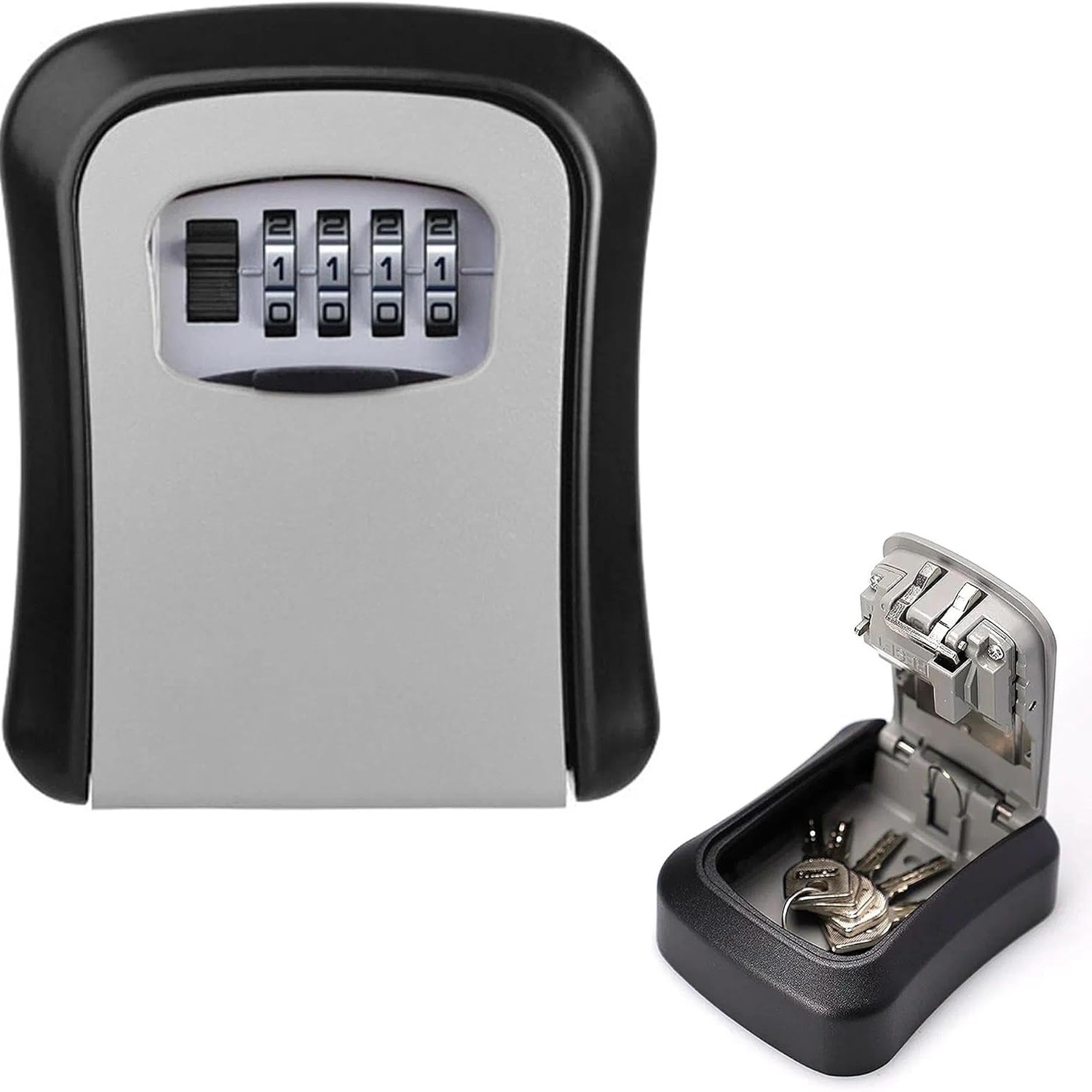
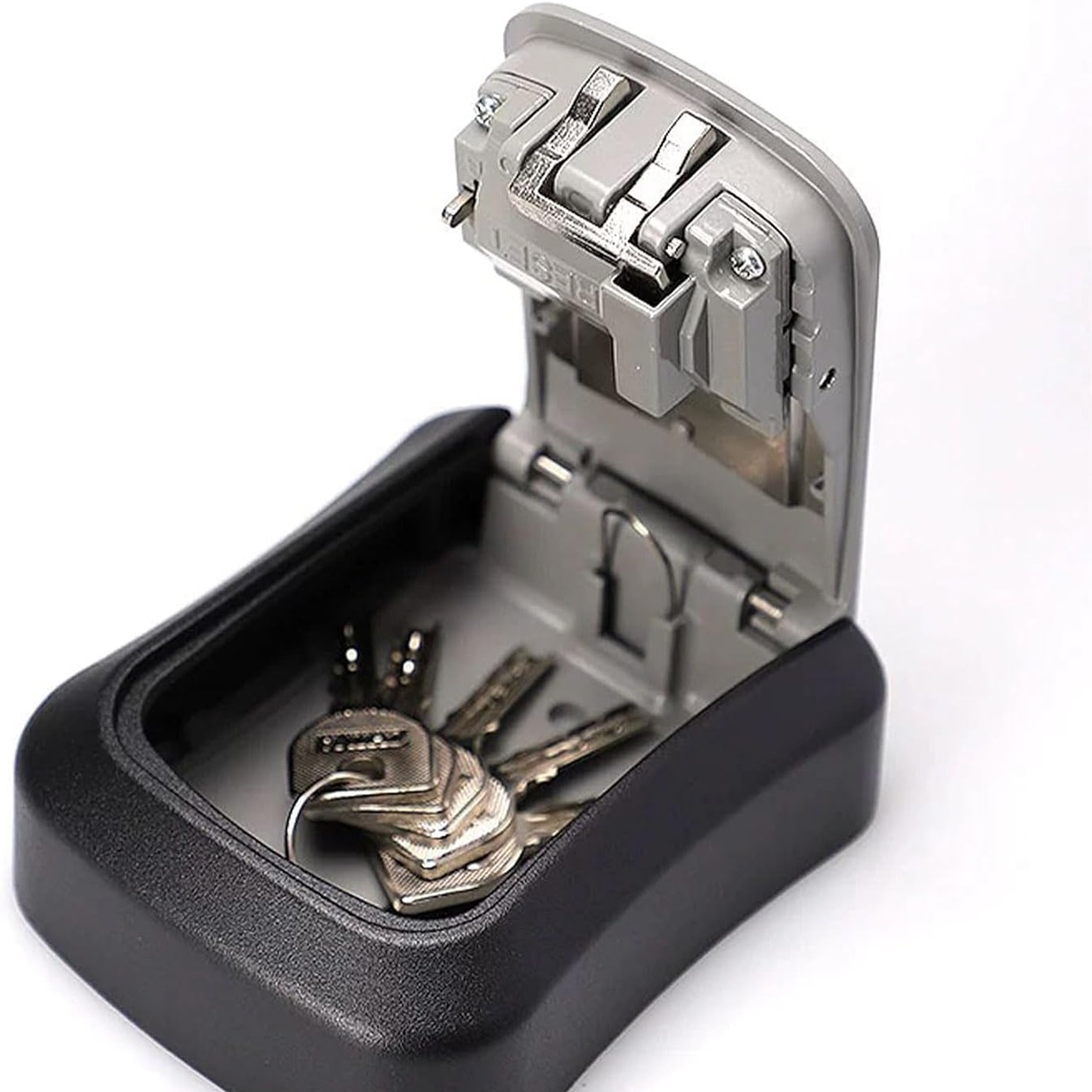
This model is intended for keys and cards. It has a combination lock, a grey rectangular body and a wall mount design. Before deciding whether it suits your property, check the size information and understand which protection details are not given by the maker.
What this combination key box offers
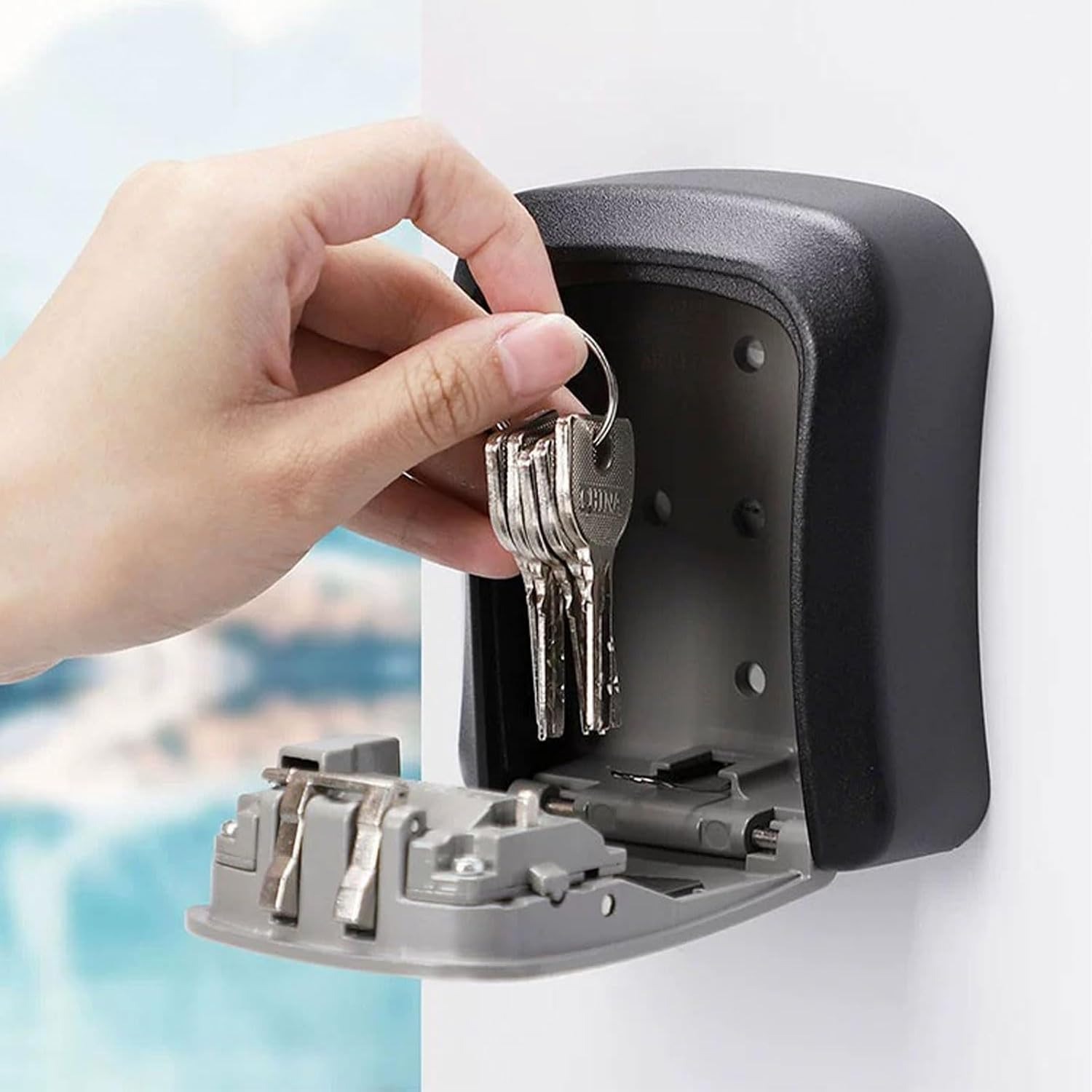
The basic idea is straightforward. Keys or compatible cards sit inside the box, and a combination code controls access. That can be useful when trusted people need the same physical key at different times.
The maker describes space for multiple keys, but it does not state an exact capacity. A few small keys may take up less room than one large key head with a thick ring. Treat the contents as a fit question rather than relying on the size label.
This is also not a fully documented security specification. The maker does not give the code length, lock test results or a burglary rating. Choose it with those limits in mind, particularly if another person or organisation sets rules for key storage at your property.
Start with the size, and check the conflicting figures
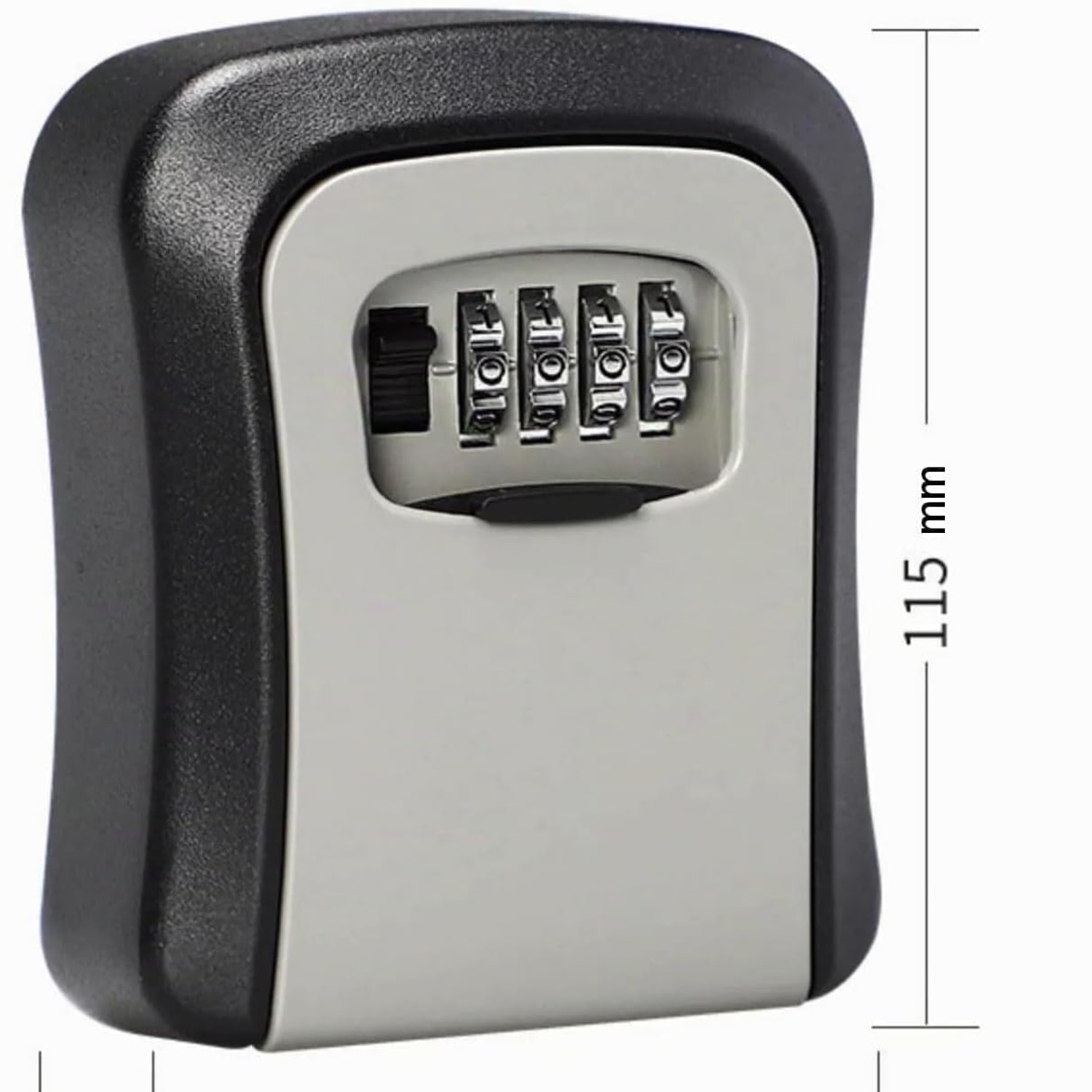
The product details give measurements of 4.8 x 12.8 x 9.4 cm. A second entry gives 48 x 128 x 94 mm, which expresses the same set of measurements in millimetres.
However, the structured dimensions field labels 48 x 128 x 94 as centimetres. These records do not agree. Confirm the actual measurements before ordering, especially if the box must fit beside a door frame or within a narrow recess.
Internal measurements are not provided. Even once you confirm the outside size, you still need to know whether the intended contents fit. Leave room for the door and lock parts, rather than assuming the whole outer volume is available for storage.
Think about the keys you actually use
Before choosing spare key storage, gather the items you want to keep inside. Look at the longest key, the widest head and any rings that cannot easily be removed. A bulky bundle may be less practical than a small set kept only for access.
Cards need their own check. The maker includes key and card storage, but it does not give a maximum card size or describe a separate card holder. Confirm clearance if an access card is essential to your plan.
Car fobs deserve extra care because they vary in shape and thickness. There is no stated fob compatibility here. Never force the box closed around an item that presses against the door or lock mechanism.
Materials and finish, in plain terms
The product details list metal and polyvinyl chloride, also called PVC. They also list powder-coated and lacquered finishes. The exact metal, thickness and construction of individual parts are not stated.
The grey colour and rectangular shape offer a simple appearance. If you are comparing a grey key safe with another design, think about how easy it will be for intended users to locate and reach, rather than choosing by appearance alone.
The stated item weight is 220 g. Weight can help describe the product, but it does not establish resistance to forced entry. For that, you would need relevant test information, which is not given by the maker by the maker.
Choosing a position outdoors
The maker describes the box as suitable for outdoor use and resistant to rain and moisture. It does not provide a weather protection rating or test details. That distinction matters when comparing outdoor key storage options.
A sheltered location is a sensible starting point. Look for somewhere away from direct water flow, roof runoff and places where water collects. Do not treat a general weather claim as a promise that the box can be immersed or left in any exposed position.
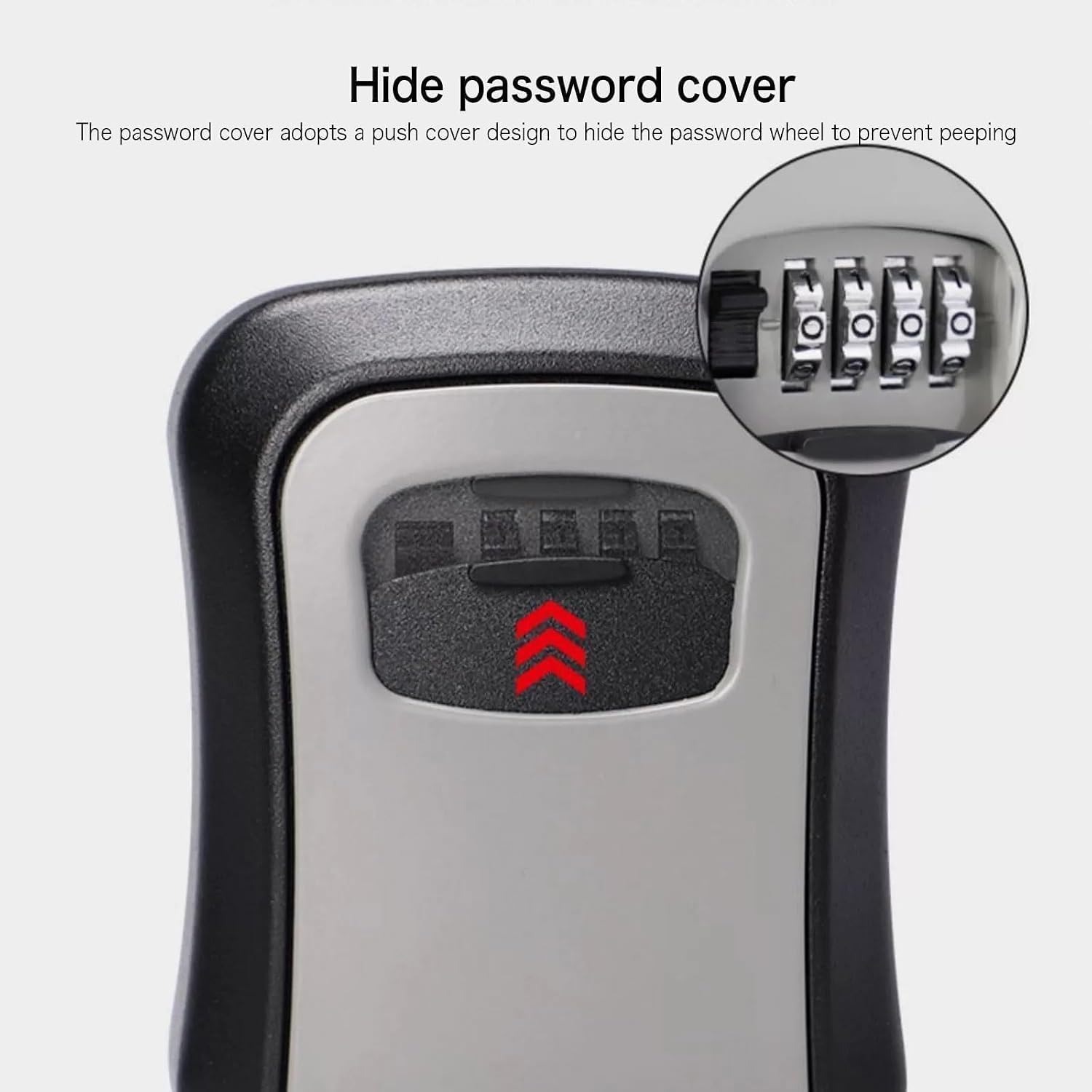
Access matters too. The intended user should be able to see and operate the controls without stretching or standing awkwardly. Consider how the position works after dark and in poor weather, not just during a daytime fitting check.
Plan the wall mounting before drilling
Wall mounting is the main fitting method listed for this product. The package includes installation tools, but the maker does not identify every tool or fixing. Check the contents before you start.
The wall itself determines what preparation and fixings are needed. Masonry, timber and other surfaces may call for different methods. If you are unsure about the surface or possible hidden services, get advice from someone qualified to assess it.
Assembly is listed as not required, but that does not mean installation needs no work. Allow time to choose the position, confirm permissions where needed and follow the supplied fitting instructions. A good key box installation starts before the first hole is made.
Wall mounted or freestanding?
One specification also mentions freestanding installation. That is worth noting, but it should not be read as offering the same result as a fixed box.
A box resting on a surface can be moved with its contents. A wall mount key box is intended to create a fixed storage point when properly fitted. Decide which arrangement meets your purpose before buying.
If you cannot drill at the property, do not assume another fitting method is approved. No adhesive mounting system or alternative attachment method is described here. Check your options rather than improvising a fixing that may fail.
Set a clear routine for shared access
A shared access key box works best when everyone knows the routine. Decide who may receive the code, which keys belong inside and where those keys should be returned after use.
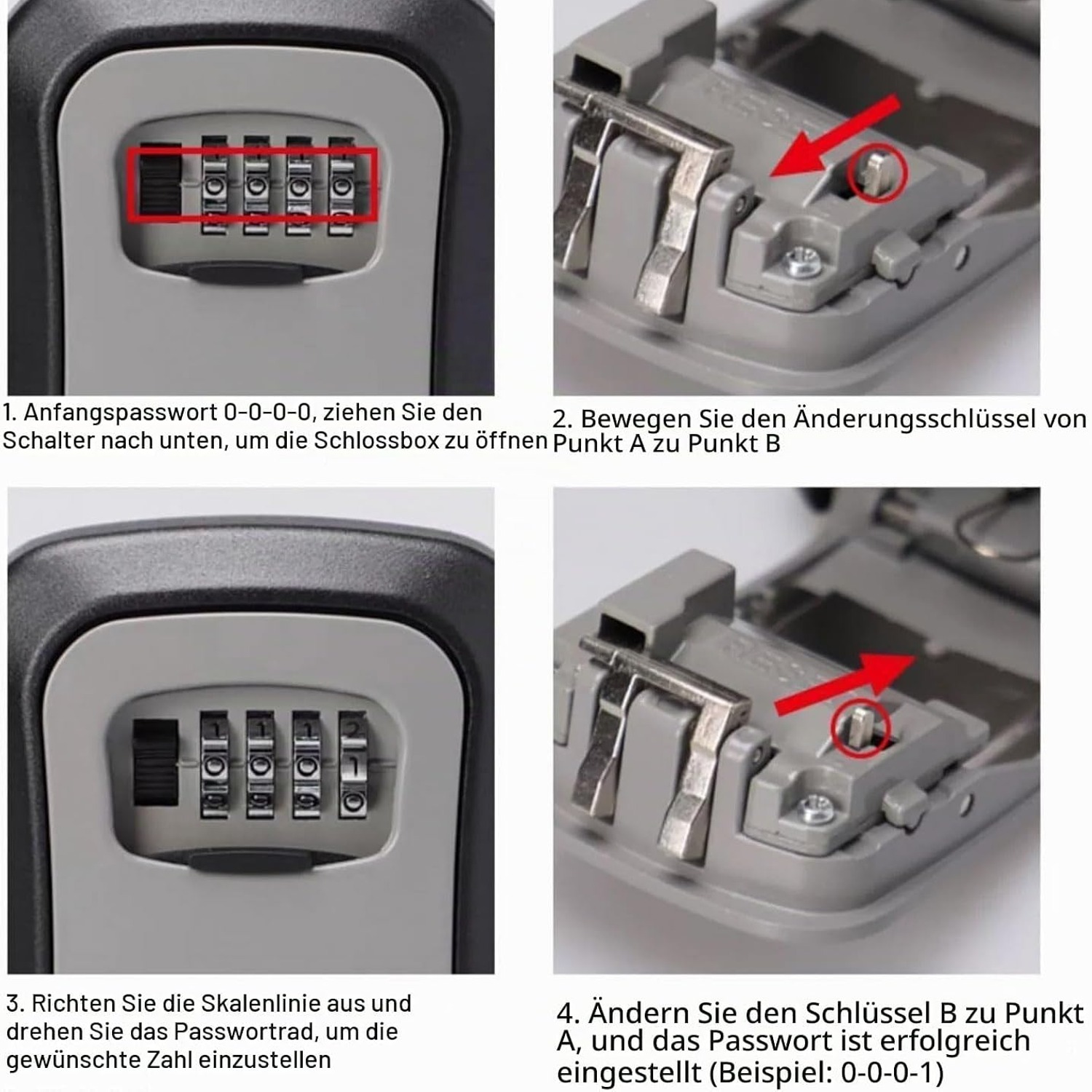
The maker does not explain code setting or resetting. Read the supplied instructions and test the opening process before putting an important key inside. Keep a separate access plan while you learn how the mechanism works.
For guest access key storage, communicate the location privately. Avoid including more identifying information than needed in messages about access. Review who still needs the code when an arrangement ends, using the maker's instructions for any available code changes.
Match the box to your security needs
Convenience and tested security are different questions. This product offers combination access, but the maker does not state a burglary certification, insurance approval or tested attack resistance.
If an insurer, landlord or care service requires a particular standard, ask for that requirement in writing. Then compare it with documented product evidence. A general description such as metal key box does not prove that a specific standard has been met.
Also consider the consequence of losing the key stored inside. A key to a main entrance may call for a different level of assessment from a key used for a low-risk storage area. Choose based on that need, not just the price or appearance.
Care and checks after fitting
Keep cleaning simple. Wipe the outside with a soft cloth and dry it afterwards. Avoid abrasive cleaners that could damage the finish, and do not force a stiff closure or control.
Check the mounting from time to time. Look for looseness, visible damage or signs that water is getting inside. Any change in how the lock feels is a reason to stop and inspect it before relying on it again.
Follow the supplied care guidance for the mechanism. Do not add oil, spray or other products unless the instructions recommend them. Keep the contents tidy so a ring or card cannot obstruct closing.
Before ordering for yourself or someone else
For a key safe for home use, start with four checks. Confirm the real dimensions, the fit of your keys, the wall requirements and whether any security standard applies. Those answers matter more than the maker's description's “Large” size label.
If you are buying it as a gift, make sure the recipient wants a fixed key storage point and has permission to install one. A useful household gift still needs to fit the property and the way people use it.
Delivery timing and return conditions are not specified by the maker. Read our delivery and returns pages policies before ordering. If you need to inspect the fit first, check the return terms before mounting the box or making changes to it.
The short version
This wall mounted key safe provides combination access for keys and cards in a grey metal and PVC box. Installation tools are included, and the stated weight is 220 g.
Its suitability depends on a few checks that the maker's description cannot settle for you. Confirm the conflicting dimensions, check internal fit and understand the absence of stated weather and burglary ratings. With those points clear, you can decide whether it matches your everyday access plan.