
The complete guide
Choosing a Small Digital Safe for Everyday Valuables
A dedicated place for small valuables
Cash in one drawer, a passport in another and jewellery left on a shelf can make everyday storage harder than it needs to be. A small safe gives these belongings a single place to live. The useful question is whether its size, access method and stated protection match what you plan to keep inside.
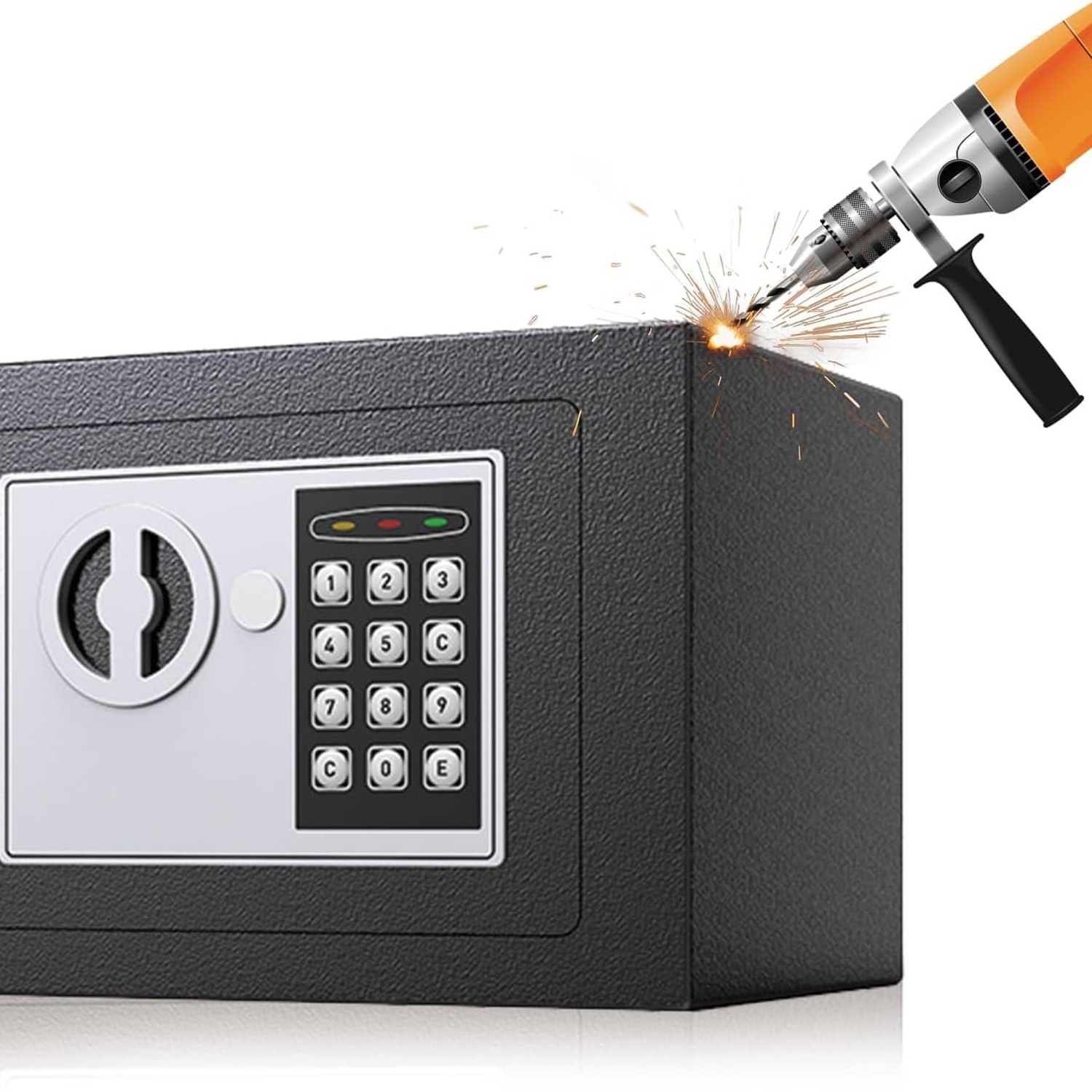
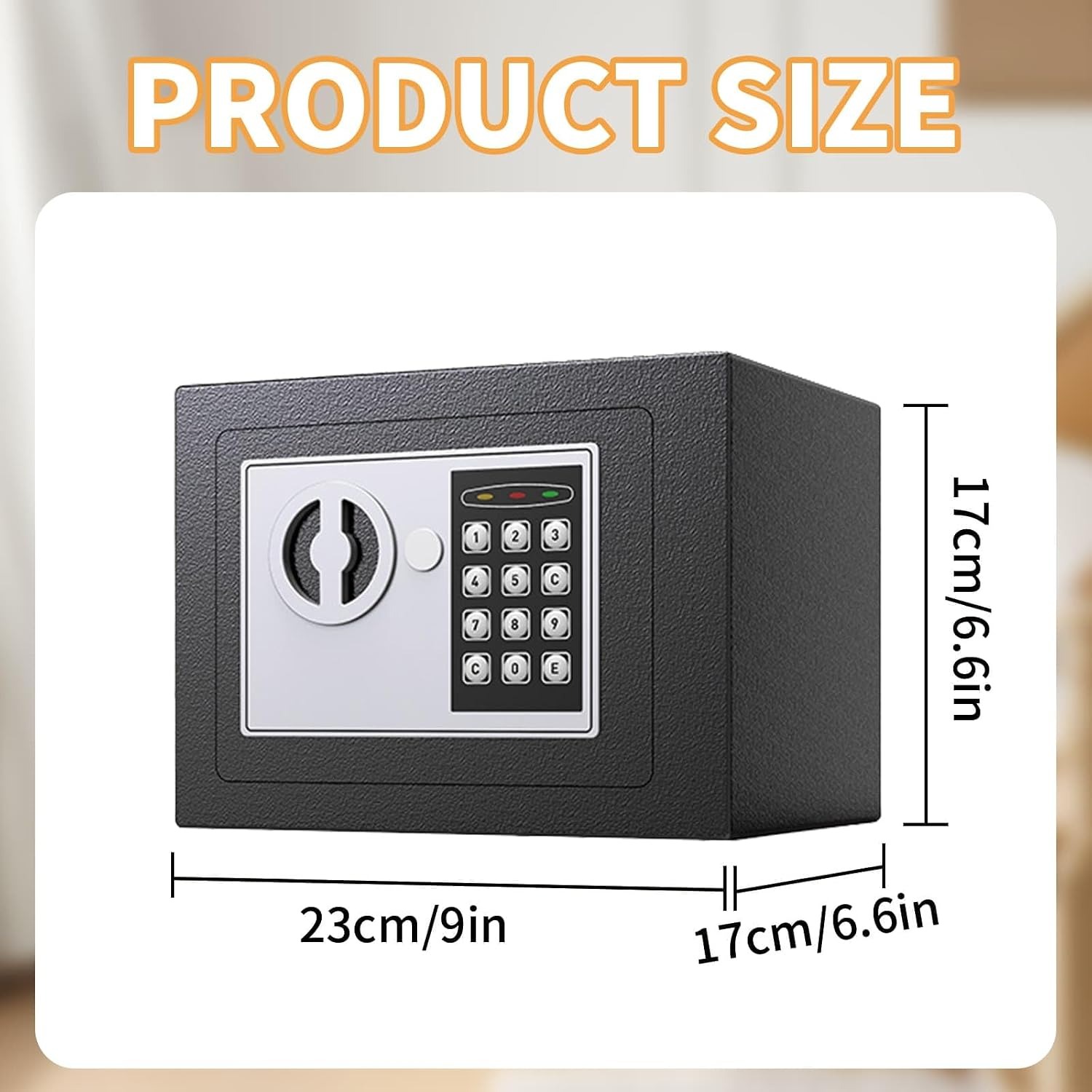
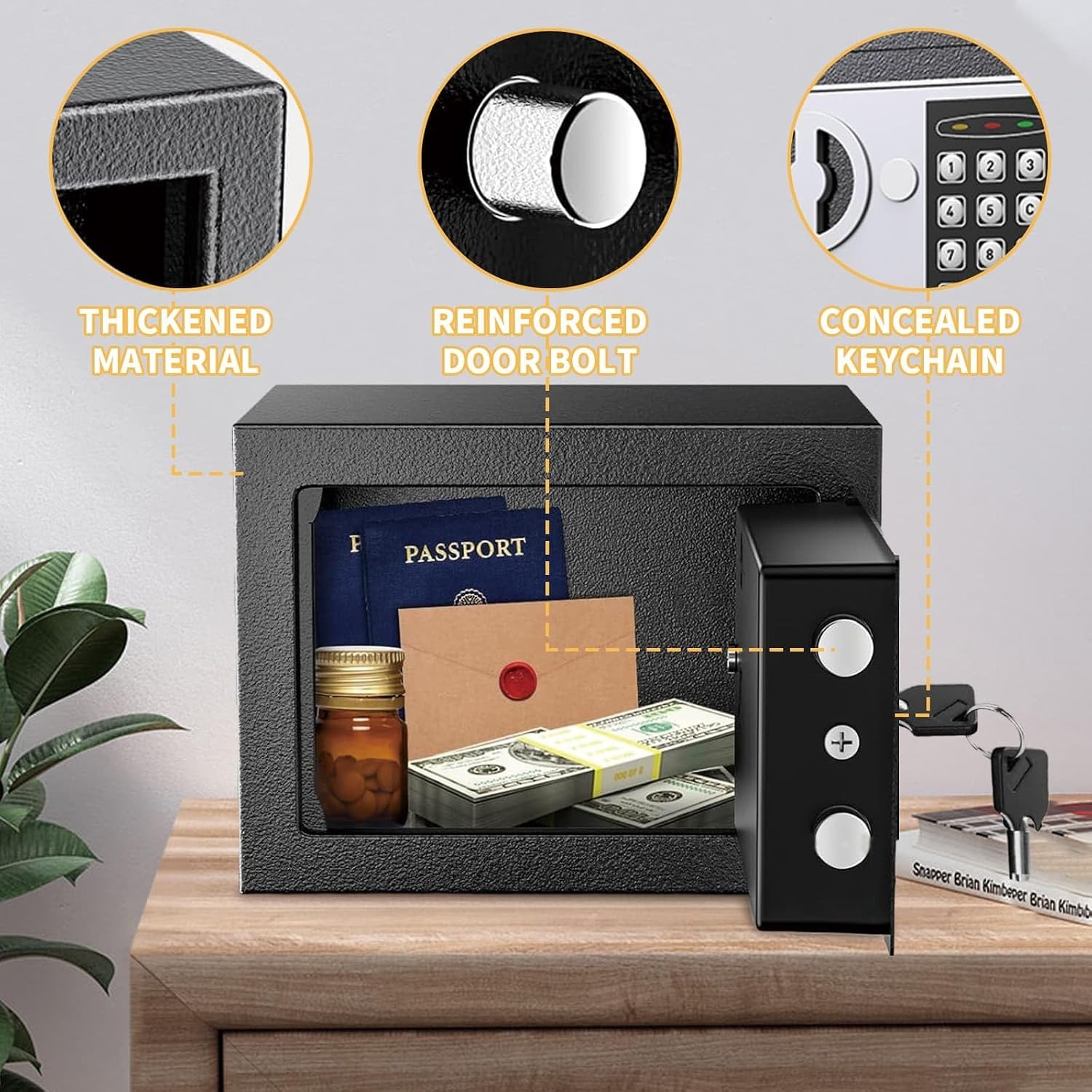
This Small Digital Safe has a 4.6 L capacity, a digital keypad and spare keys. Its listed dimensions are 17 cm deep, 23 cm wide and 17 cm high. That puts it in the compact storage category, suited to considering for small essentials rather than large files or collections.
Start with realistic expectations. A lockable box can be part of your storage plan, but no verified fire, water or burglary rating is supplied for this model. Choose it on the facts given, not on protection claims that have not been documented.
How the digital access works
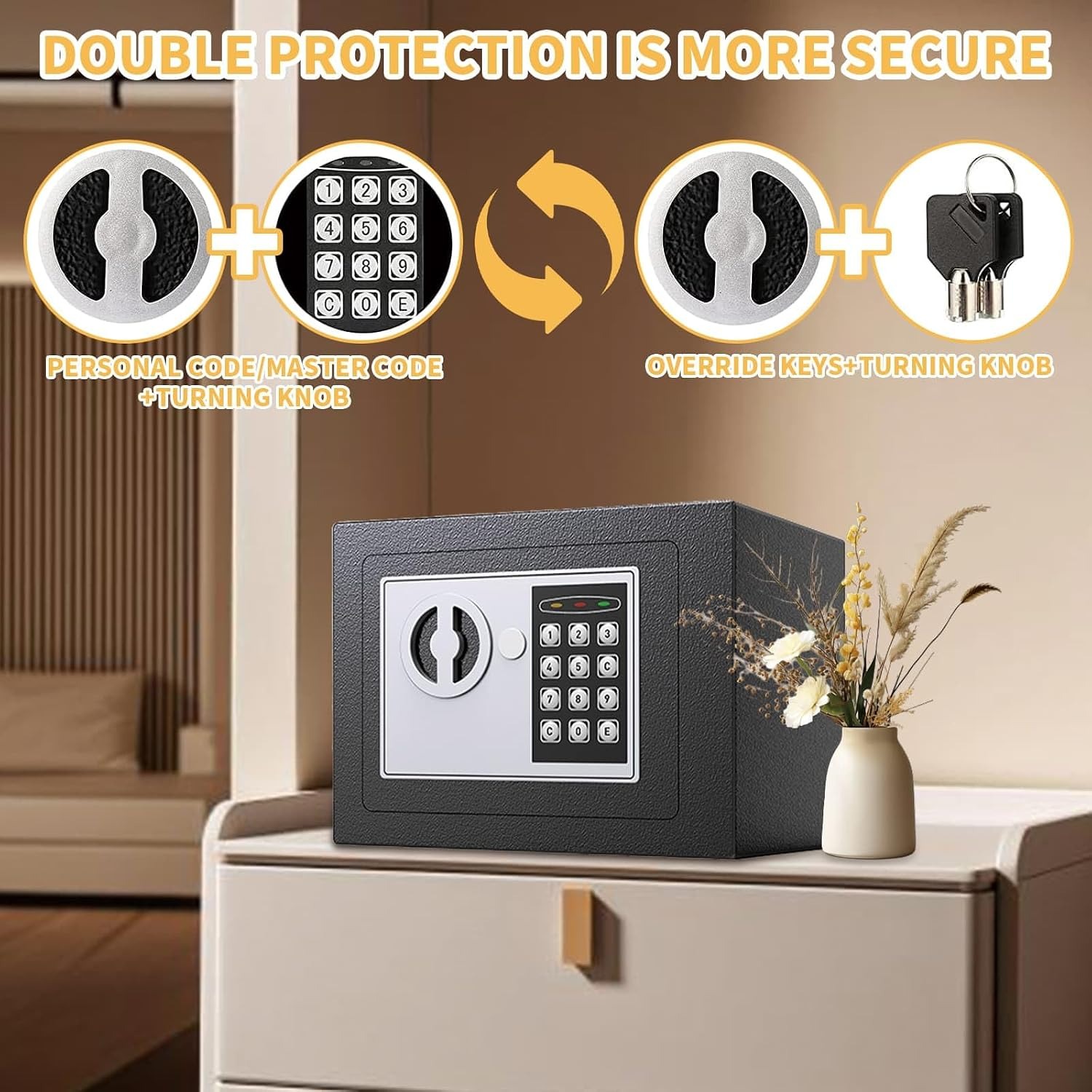
The keypad accepts a personal code of 3 to 8 digits. This gives you code-based access for regular use, while the included spare keys provide an alternative way to open the safe.
The exact setup and reset sequence is not included by the maker. Read the supplied instructions before putting valuables inside. During setup, follow any guidance about testing the lock with the door open. Make sure you understand the opening process before you depend on it.
Choose a code that is not easy for someone else to guess. Avoid obvious personal dates where possible, and be careful about who can see you enter it. A keypad security box still needs sensible habits around access.
Battery type and quantity are not specified. Confirm the power requirements and whether batteries are supplied, rather than assuming the safe will be ready to operate straight from the packaging.
Check the size before choosing the contents
Capacity is useful, but it does not tell you everything about fit. Two objects with the same volume can need very different amounts of space. A rigid jewellery case may be awkward where a soft pouch would fit, even if both hold similar items.
The stated 4.6 L capacity describes a small safe. The listed dimensions are not confirmed as usable internal measurements, and no door opening measurements are supplied. Leave room in your planning for the lock, door and any internal fittings.
Gather the items you expect to store and measure them together. Include passport covers, card holders or protective cases. If space looks close, ask for confirmed internal dimensions before ordering.
This is not a suitable choice for storing A4 sheets flat. A4 paper measures more than the listed width and height. Smaller documents may suit, depending on their shape and whether folding is acceptable.
Using it for cash, passports and jewellery
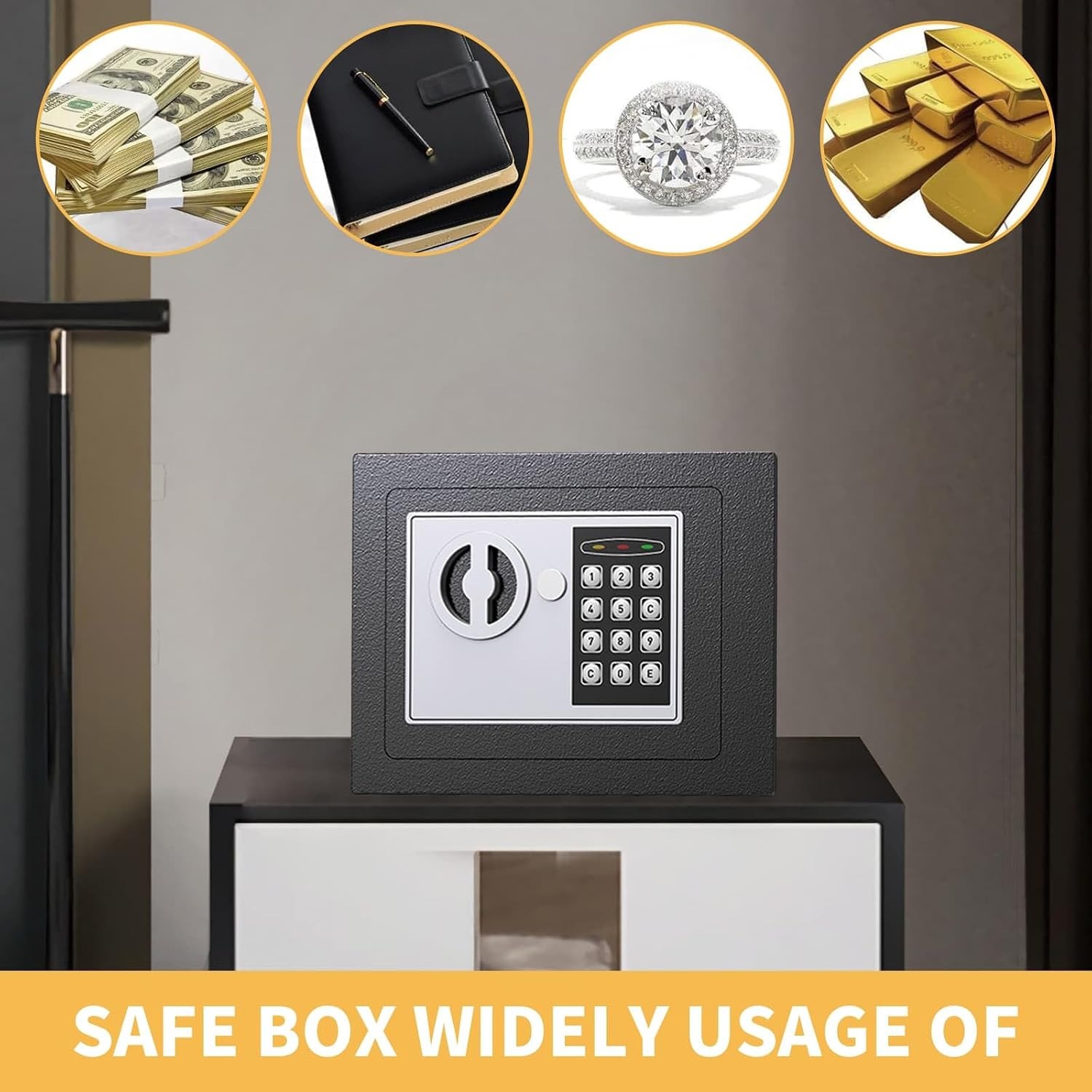
Cash, cards, jewellery and passports appear among the suggested uses. For someone seeking a digital cash safe, the main benefit is having a dedicated place for small amounts of money and related items. Think about how often you will add or remove cash and whether your chosen location makes that practical.
For passport storage, check the complete item, not just the booklet. A thick travel wallet or several passports together can change the space required. Do not assume that a suggested use guarantees fit for every cover or organiser.
A jewellery safe box also needs a plan for delicate contents. The maker does not specify a padded lining, divided tray or protective interior. If you use a pouch or small case to keep pieces apart, include it when checking capacity.
Avoid packing the interior so tightly that items press against the door. Easy access matters, especially for belongings you need in a hurry.
Decide what level of protection you need
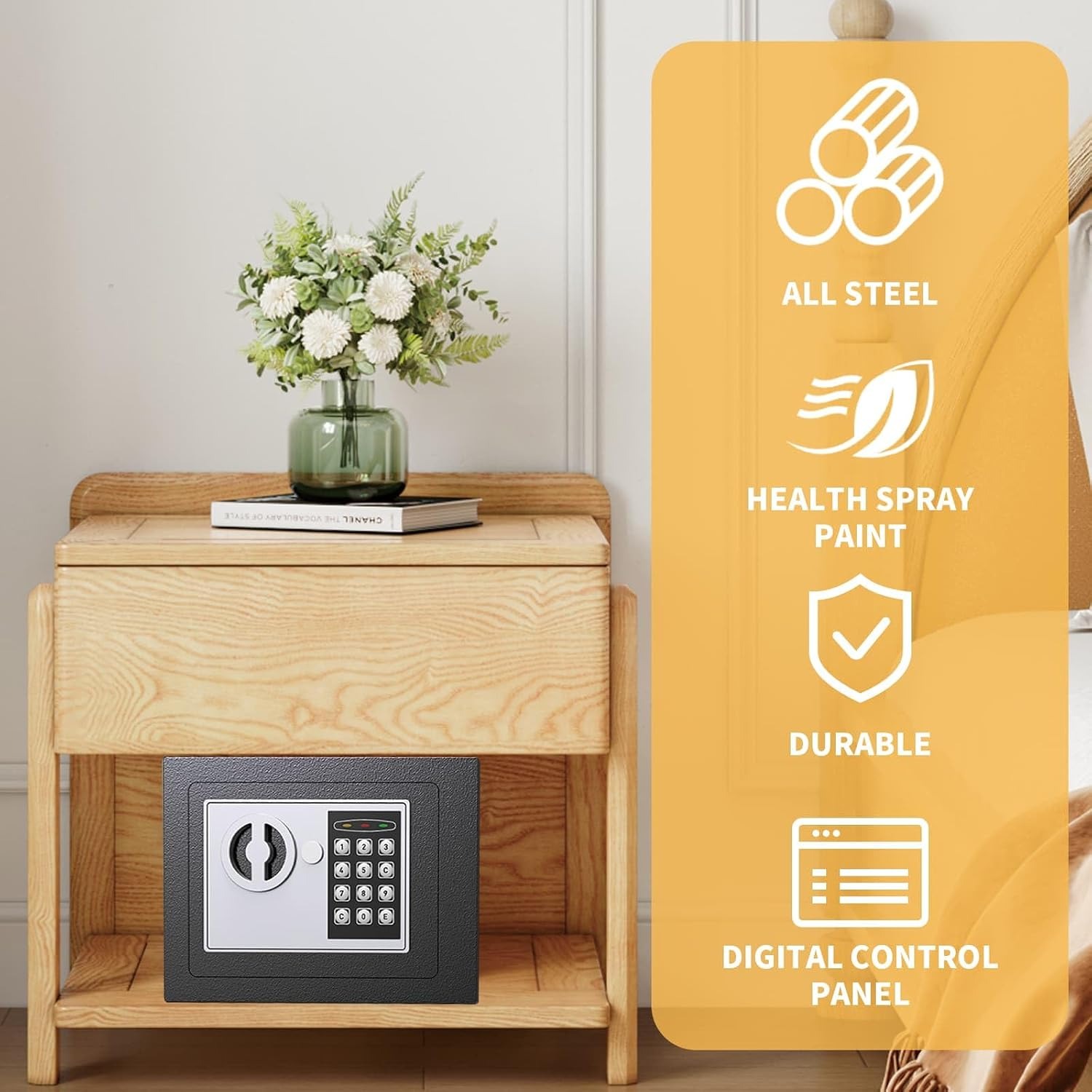
Steel construction and a combination lock describe the product, but they are not a security rating. The maker's details do not give steel thickness, tested attack resistance or a certified burglary grade.
The same distinction applies to fire and water. The maker gives no verified rating for either. If your main aim is to protect original documents from fire, look for a safe with a clearly stated test standard and protection period suited to those documents.
Insurance is another separate question. Some policies require a particular rating, installation method or maximum value of contents. Ask your insurer before buying if cover depends on the safe you choose.
For high-value belongings or irreplaceable records, missing specifications matter. A compact home safe should be chosen for a defined task, with clear limits on what you expect it to do.
Find a sensible location
The mounting type is listed as freestanding. Fixing holes and anchoring hardware are not confirmed, so do not plan a wall or floor installation based only on the photographs or the word “safe”.
Choose a stable surface in a dry place. Check the full available space, including clearance for the door and room for your hand to reach the keypad. A shelf may fit the box while still making the lock awkward to use.
The listed weight is 2.56 kg. Keep in mind that a freestanding box may be moved, and a discreet location is not the same as a tested fixing system. If anchoring is important to your plans, confirm the available provisions before ordering.
Think about your routine too. A location that is difficult to reach may tempt you to leave valuables out. Aim for practical access without placing the box in plain view.
Home and office use need different checks
At home, a small valuables safe may help keep selected belongings together and separate from ordinary drawer storage. Decide who should know the code and where the spare keys will be kept.
For a compact office safe, there may be extra rules. Business cash, personal information and shared access can each need a written procedure. The maker does not confirm an access log, timed lock or separate user codes.
Do not assume that a basic combination lock safe can meet a workplace security policy. Check the policy first, then compare its requirements with the details that are actually supplied.
Hotel use is mentioned in the maker details, but hotel-specific controls are not described. Guest access, code recovery and staff procedures would need separate confirmation before this model is chosen for that setting.
Keep spare keys separate
The included spare keys are useful only if you can reach them when needed. Storing every key inside the safe defeats that purpose.
Choose a secure location away from the box. If another trusted person needs emergency access, agree on a clear arrangement rather than sharing the code widely. Avoid leaving written access details beside the safe.
Take time to understand the key procedure before relying on it. The maker's description confirms spare keys but does not provide detailed instructions for emergency opening or code recovery.
If a key goes missing or access becomes unreliable, seek guidance rather than forcing the mechanism. Good access habits are part of owning a safe, whatever its size.
Simple care and routine checks
Keep care gentle. A soft, dry cloth is a sensible way to remove surface dust. Do not spray cleaner into the keypad, key opening or door mechanism.
Avoid damp storage locations. There is no stated water protection rating, and keeping the exterior dry is not a promise that contents will be protected from moisture. Check stored items from time to time, especially if the room is prone to damp.
Follow the supplied instructions for power checks and battery changes. Since the battery specification is not provided by the maker, do not buy replacements based on a guess.
Watch for items catching in the door and never force it closed. A tidy interior makes access easier and helps you notice a problem before you need an important item.
Compare details rather than labels
When comparing a black digital safe with another compact cash box, look beyond similar photos. Confirm dimensions, usable space, access methods and what is included.
This model has several clear facts to work with: a 4.6 L stated capacity, 17 x 23 x 17 cm listed dimensions, 2.56 kg weight, steel construction and a 3 to 8 digit keypad code. Spare keys are included.
Other details remain open, including internal dimensions, battery requirements and fixing hardware. Those gaps may be minor for one buyer and decisive for another. Ask before ordering if any of them affect your intended use.
Check delivery estimates, return terms and any warranty information at our delivery and returns pages as well. These are not established by the safe’s physical specifications.
The short version
This compact safe offers code-based access and spare keys for small-item storage. It is worth considering when you want a dedicated place for cash, cards, jewellery or small documents and have checked that they will fit.
Measure first, choose a practical location and keep the spare keys separately. If your needs include certified burglary resistance, fire protection or insurance approval, choose a safe with those requirements clearly documented.